The GT40 Story: When Ford Decided to Beat Ferrari at Their Own Game
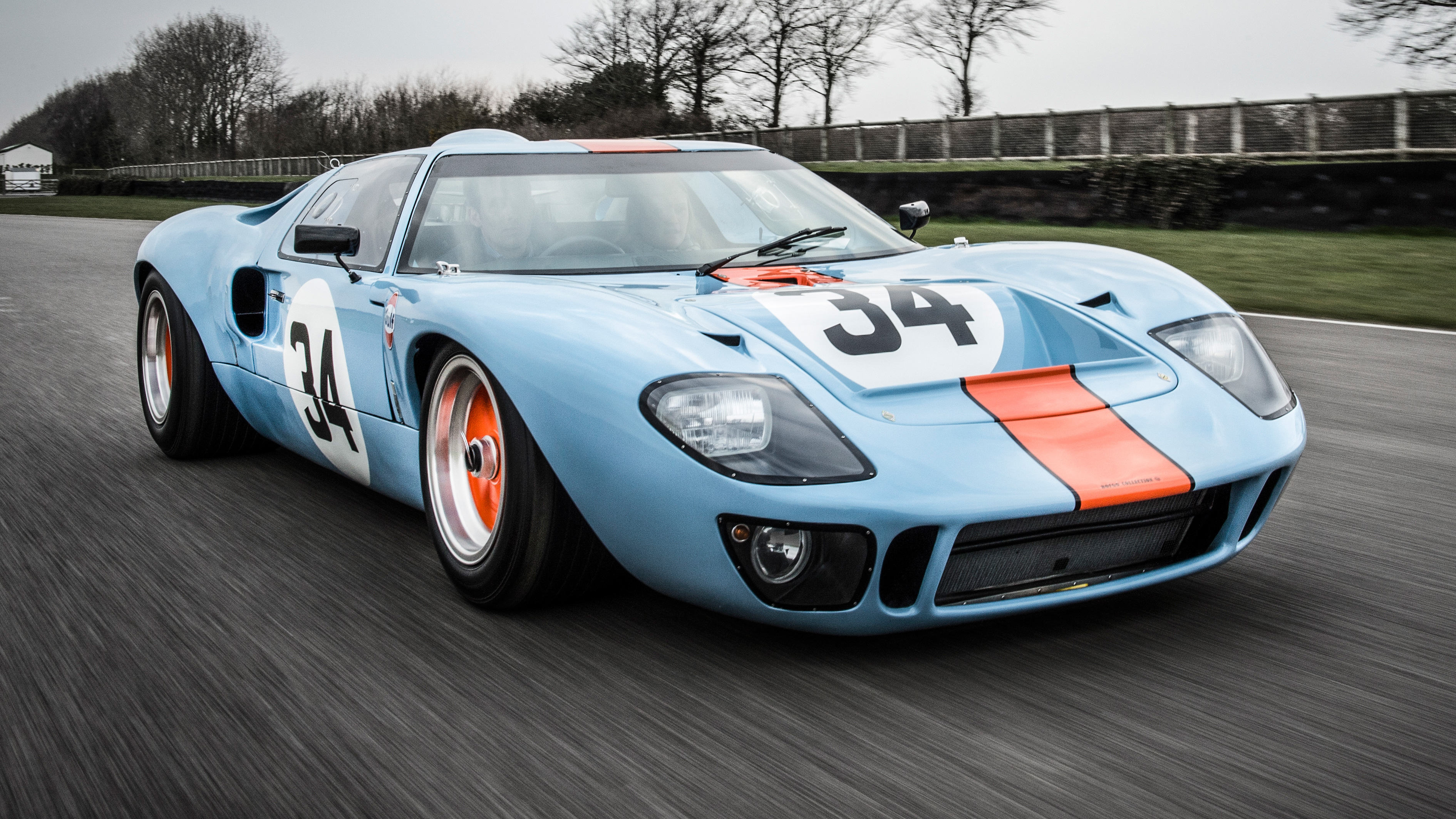
There's a reason the Ford v Ferrari movie resonated with people who don't even care about racing. The GT40 story has everything: corporate drama, engineering brilliance, and a finish so perfect it almost seems scripted.
How It Started
In 1963, Ford was ready to buy Ferrari. The deal was essentially done. Then Enzo Ferrari walked away at the last minute, reportedly insulted by the terms. Henry Ford II didn't take it well. His response? Build a car that would beat Ferrari at Le Mans, the race that defined their legacy.
The Engineering Challenge
Here's what made this audacious: Ford had never competed seriously in endurance racing. Ferrari had won Le Mans six consecutive times. Building a car that could run flat-out for 24 hours required expertise Ford simply didn't have.
So they bought it. Carroll Shelby's team, British chassis expertise from Lola, and an army of engineers worked around the clock. The first attempts were disasters—fast but unreliable. The GT40 kept failing at Le Mans in 1964 and 1965.
The 1966 Breakthrough
By 1966, Ford had learned from every failure. The GT40 Mark II was a different beast: more powerful, more reliable, and finally ready. They entered eight cars. Ferrari brought their best.
The result? Ford finished 1-2-3. The famous photo of three GT40s crossing the line together remains one of motorsport's most iconic images. Ford had done the impossible—not just winning, but dominating.
Why It Still Matters
The GT40 went on to win Le Mans four consecutive years. But more than the victories, it proved that with enough resources, determination, and talent, you could challenge the established order. That spirit still runs through Ford's performance division today.
Next time you see a Ford GT on the road, remember: it exists because one man got angry about a failed business deal and decided to change racing history.
Enjoyed this article? Share it!
This article was compiled with AI assistance from curated news sources and community content. While we strive for accuracy, please verify important details with original sources.